Uttargaya Community Network
A community-driven internet initiative bringing affordable, reliable connectivity to the earthquake-affected households of Khalte, Uttargaya empowering residents through education, communication, and economic opportunity.
Uttargaya is a Rural Municipality located in Rasuwa District, Bagmati Province, Nepal. Spanning 104.51 square kilometers with a population of 8,255 (2011 census), the municipality was formed on March 10, 2017 when the Government of Nepal restructured local governance, merging the former Thulogaun, Dandagaun, and portions of Haku and Laharepauwa VDCs into a single body of five wards, with Laharepauwa as the administrative center.
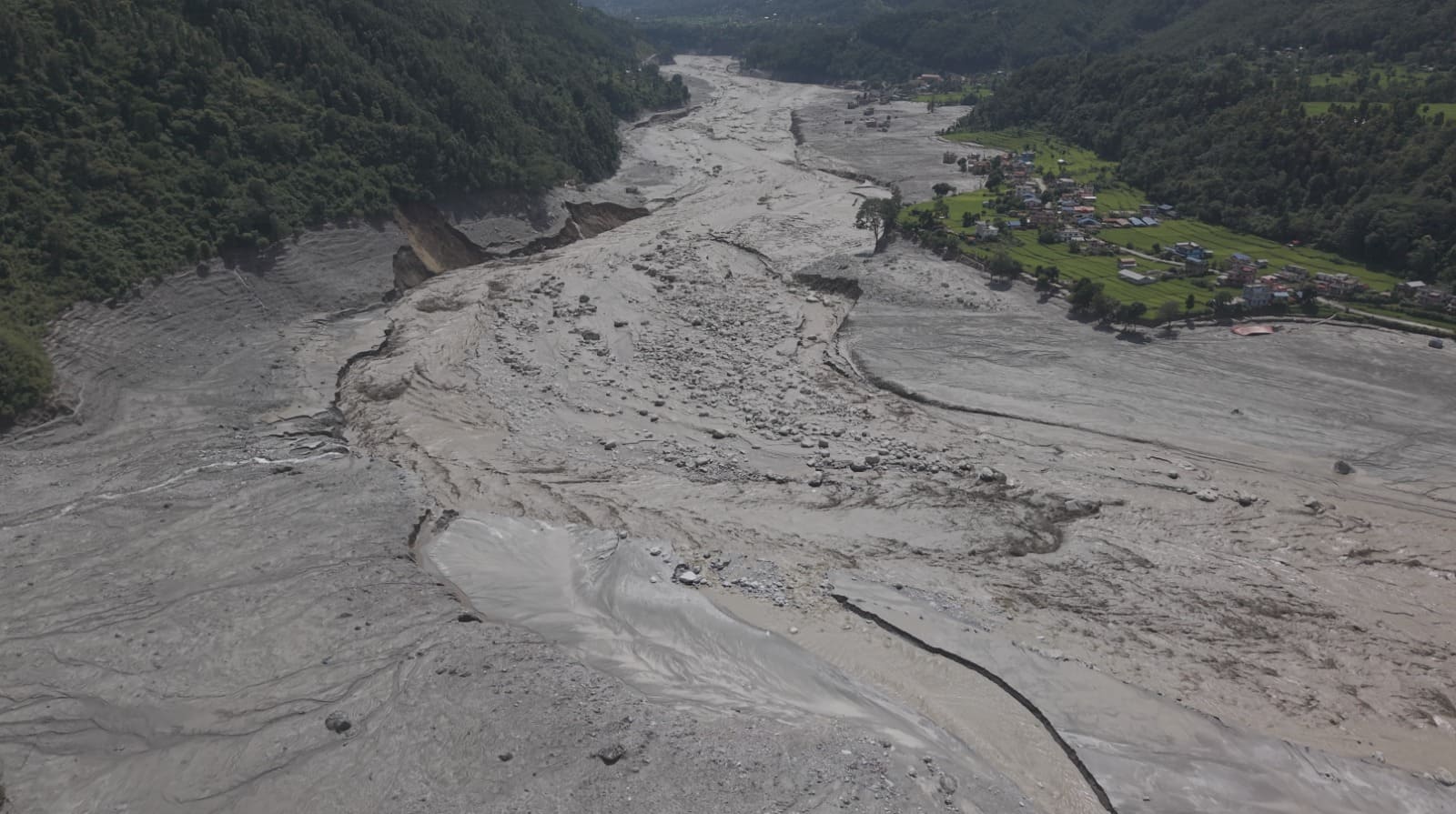
The April 2015 earthquake struck the region with devastating force, causing significant loss of life and widespread destruction of infrastructure. In its aftermath, displaced families resettled along the banks of the Trishuli River at Khalte a village of 200 households and more than 600 people where many continued to face low incomes and limited access to basic services. Internet connectivity was among the most pressing gaps: students had no choice but to rely on expensive mobile data just to access online education, placing an added financial burden on already struggling families.
Bringing the internet to Uttargaya
Nepal Internet Foundation initiated the Uttargaya Community Network with the goal of maximizing the benefits of wireless technology for the rural population. The project was designed around five core priorities: improving access to education, strengthening communication, promoting local businesses, creating employment for young people, and empowering women through digital tools and training.
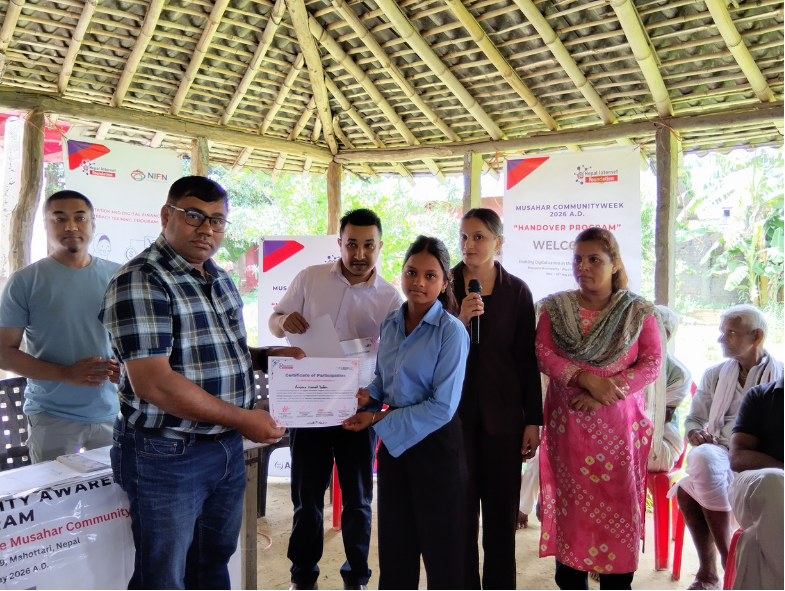
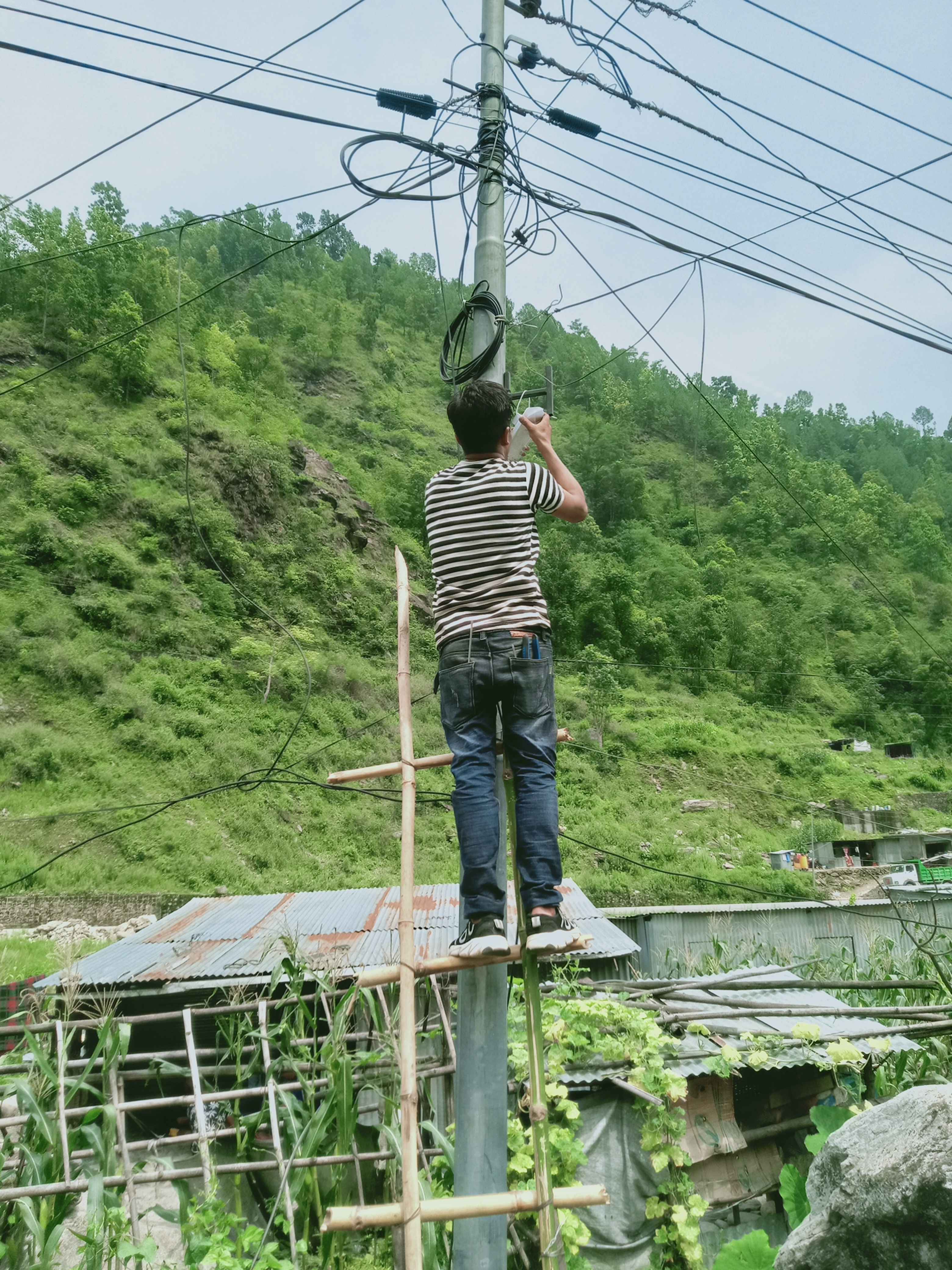
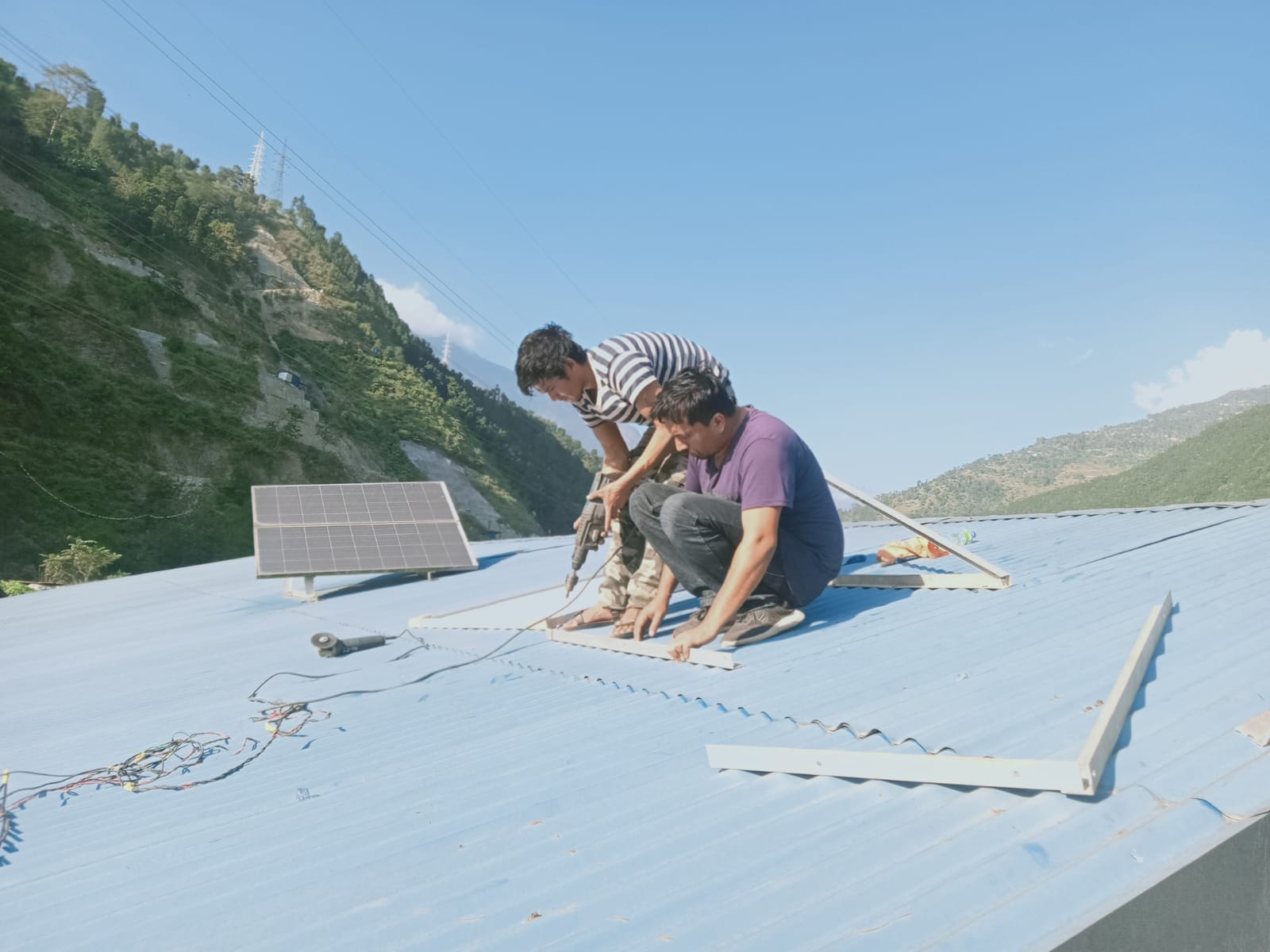
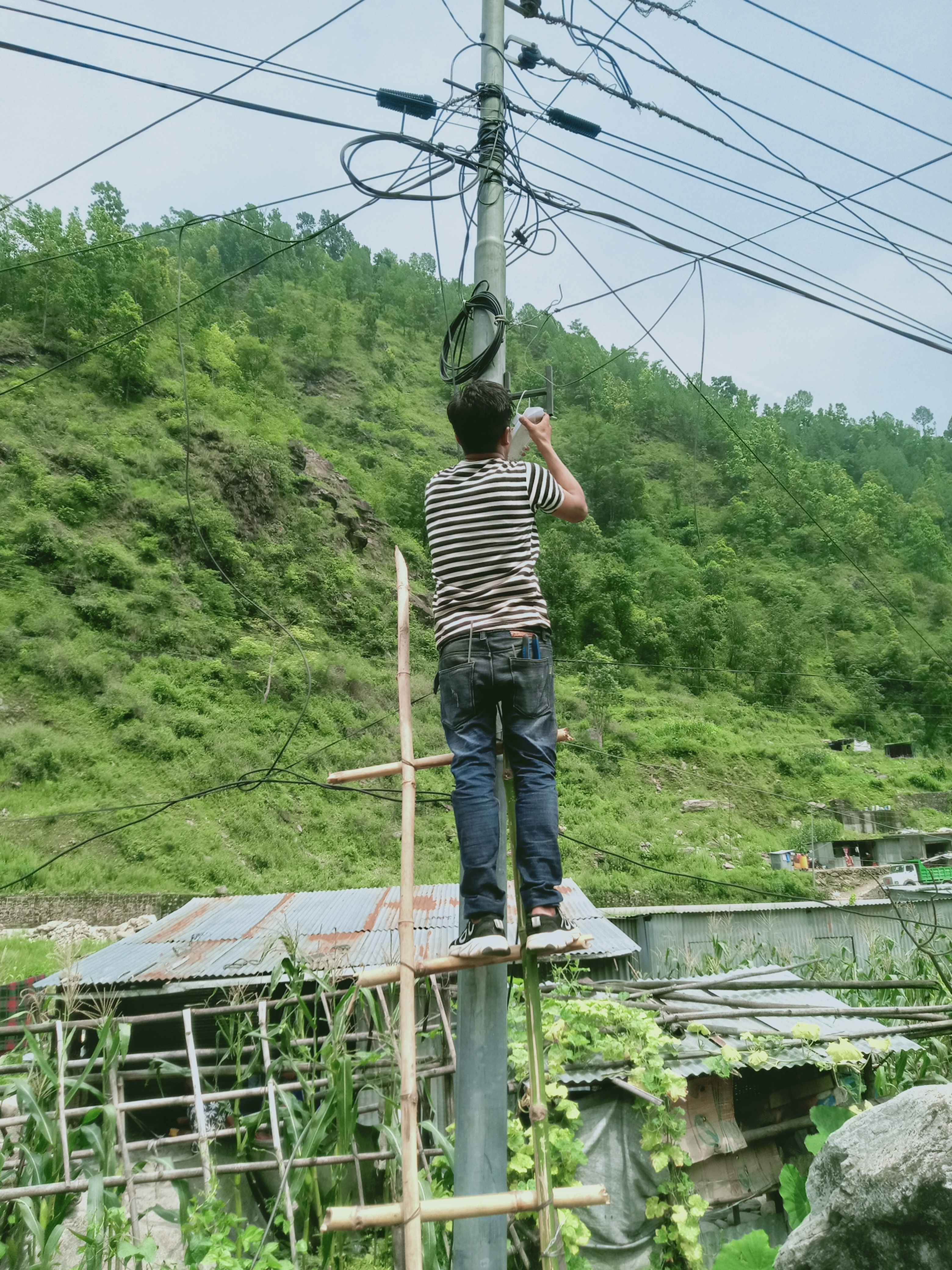
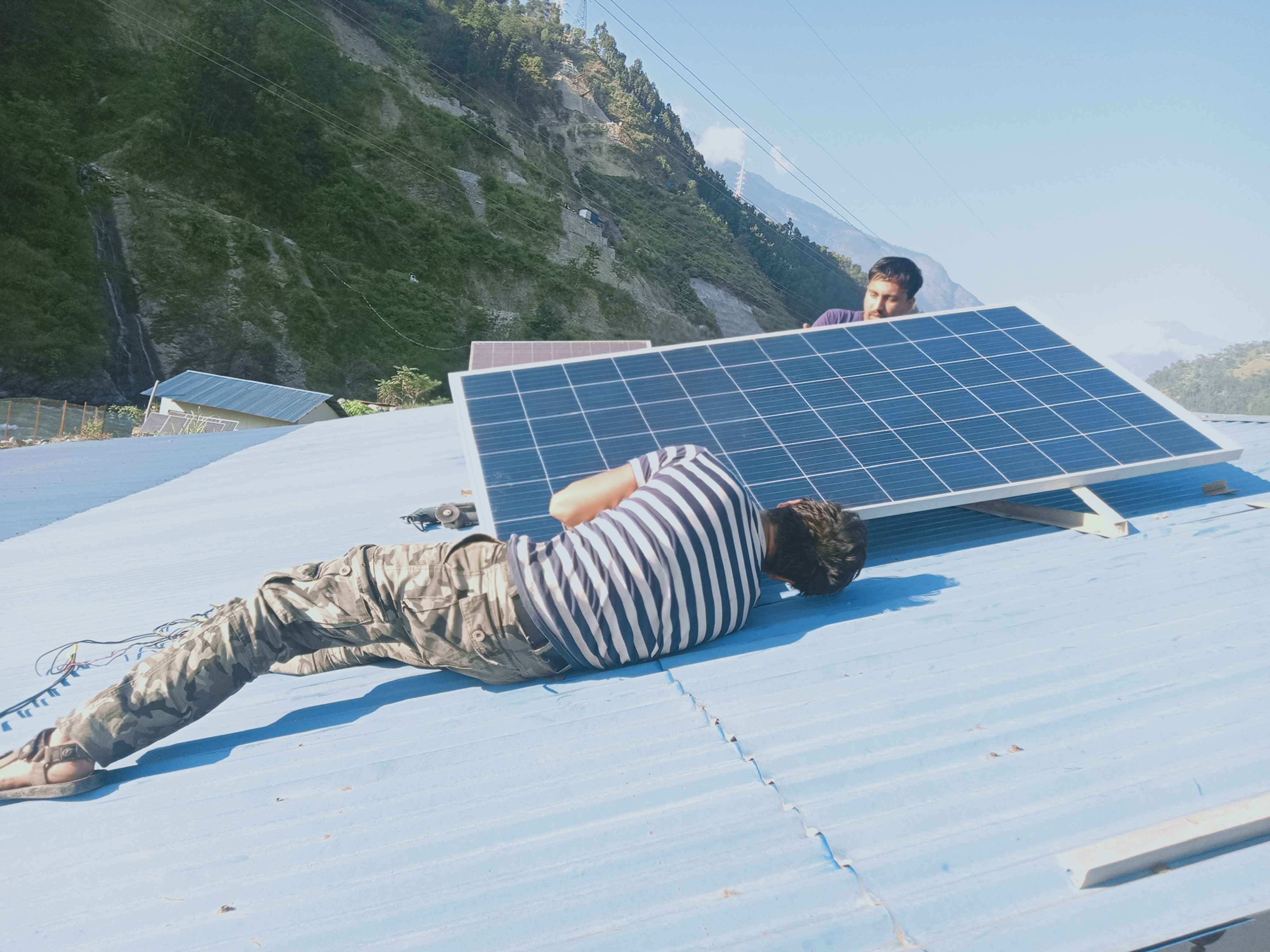
The project began with field visits and community awareness programs, involving key stakeholders including the Chairperson, Vice-Chairperson, Chief Administrative Officer of Uttargaya Rural Municipality, and ward chairpersons from all five wards. Computer peripherals, power infrastructure, internet bandwidth, and network hardware were then installed, and a local management committee was formed to oversee ongoing operations ensuring the network is governed and sustained by the community itself.
The impact of the Uttargaya Community Network has been felt across nearly every aspect of daily life in Khalte. In education, students can now access online learning resources, explore diverse subjects, and stay current with up-to-date materials without the cost of mobile data. This has meaningfully narrowed the gap between the educational opportunities available in rural and urban Nepal.
Communication has improved significantly for a village where many male members travel outside for work. Families can now stay in touch with loved ones, access emergency services more reliably, and keep informed about both local and global developments. The sense of connection this brings to the community has been profound.
For local entrepreneurs, the internet has opened new markets. Residents can now buy and sell products online, promote their goods through social media, and identify better opportunities beyond the village directly improving their economic prospects. These opportunities have also created new jobs for younger community members through communication centers and e-learning programs.
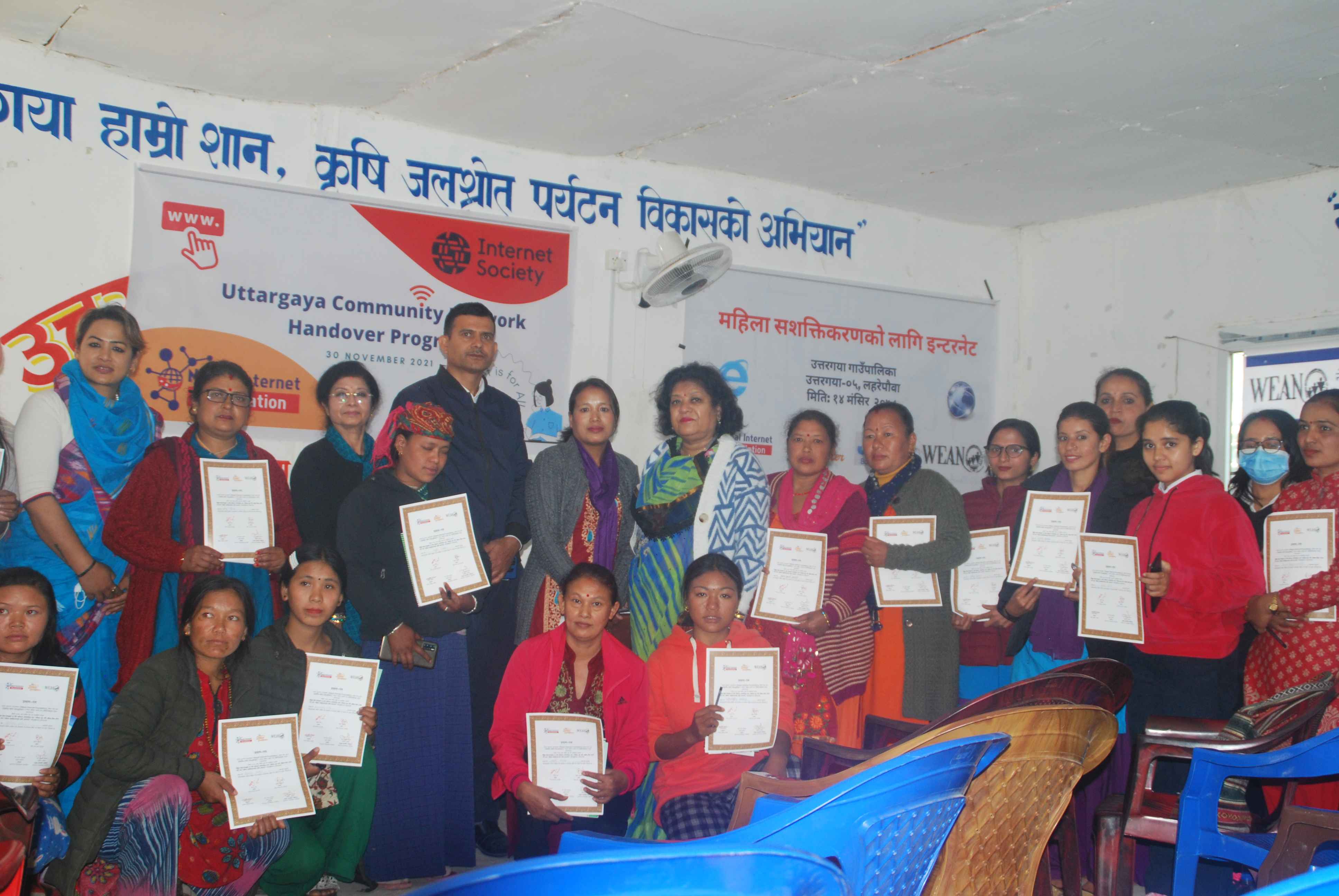
Women in Uttargaya have been a particular focus of the project. Dedicated awareness programs and training sessions have helped local women develop skills in digital entrepreneurship learning how to use the internet to discover new techniques, reach customers, and grow their businesses through social media.
Perhaps less expected, but equally meaningful, the network has helped preserve the rich culture and tradition of the Tamang and Lama community. Through social media platforms, residents now share their cultural practices, stories, and celebrations with a wider audience — strengthening their community identity while opening new avenues for cultural expression and exchange.
Voices from Khalte
Sulav had always dreamed of studying Information Technology, but growing up in a remote village meant he had no way to research colleges or courses. Everything changed when the Uttargaya Community Network came online. Sulav used the internet to explore IT programs, found a college in Kathmandu that offered exactly what he was looking for, and applied. His dream became a reality and his story is now inspiring other children in Uttargaya to pursue their own ambitions with confidence.
Shortly after internet access arrived in Khalte, a group of children gathered around a single mobile phone. On the screen, colorful English rhymes and songs played and the children watched, laughed, and repeated the words together. They were learning without even realizing it. For them, the internet was not infrastructure or a policy outcome. It was joy, curiosity, and a window into a world they had never seen before.