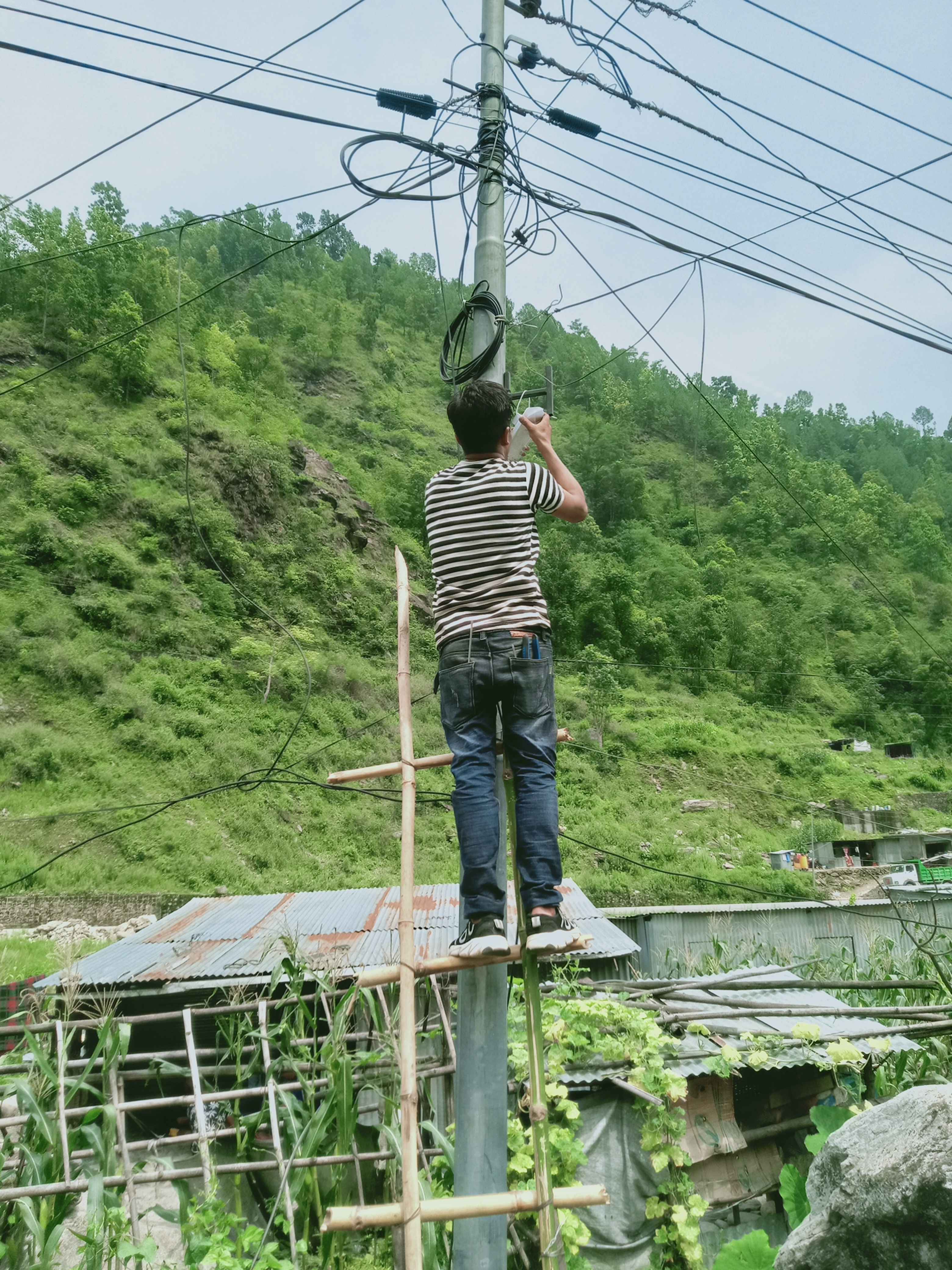
Our Journey to Uttargaya: When a Community Network Became a Promise to Return
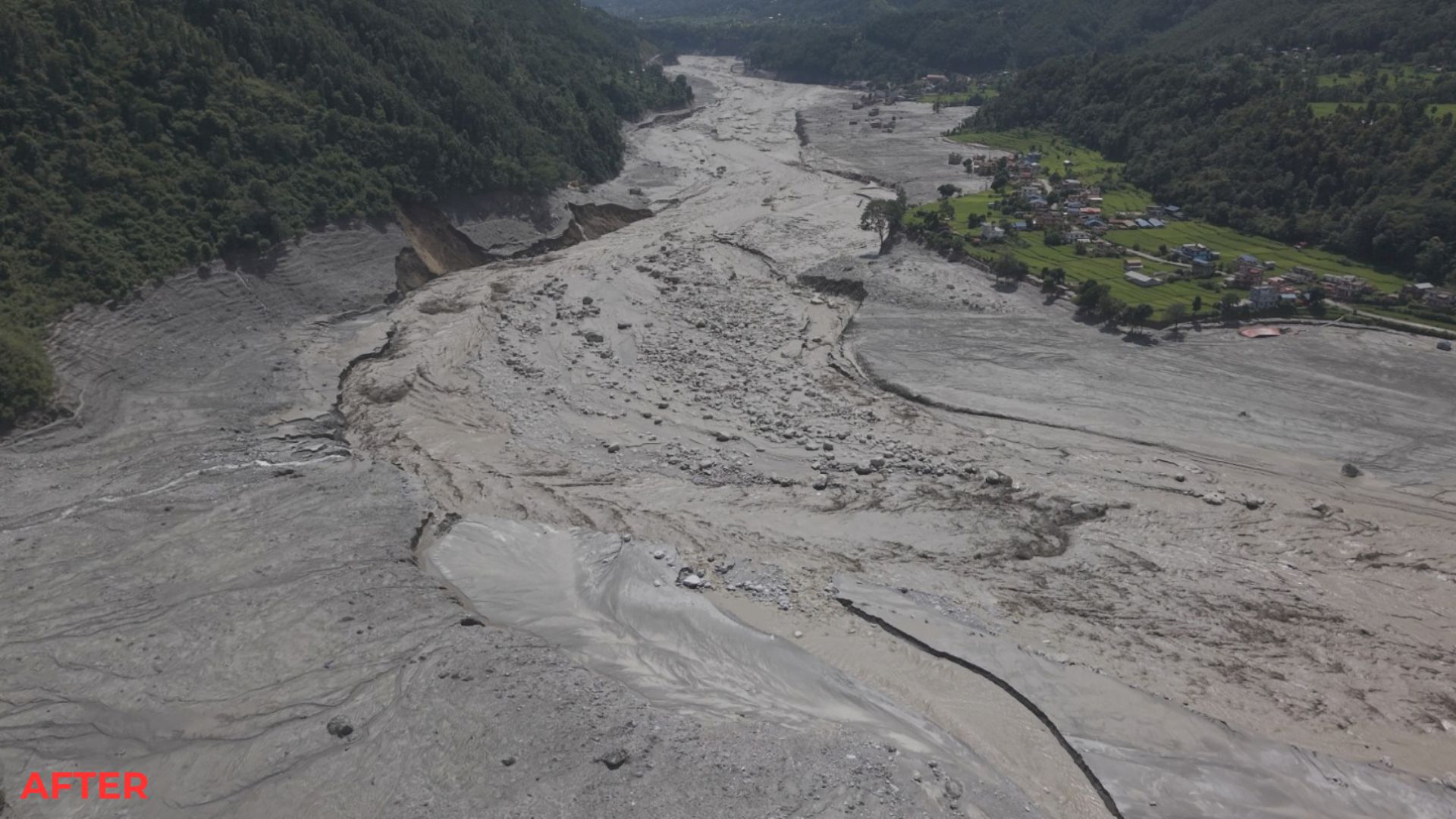
The news reached us at around 10:30 in the morning on Wednesday, August 26, 2026. A flash flood had torn through the Bhotekoshi and Trishuli river valleys, sweeping away roads and bridges, damaging homes, and leaving families searching for people who were still missing.
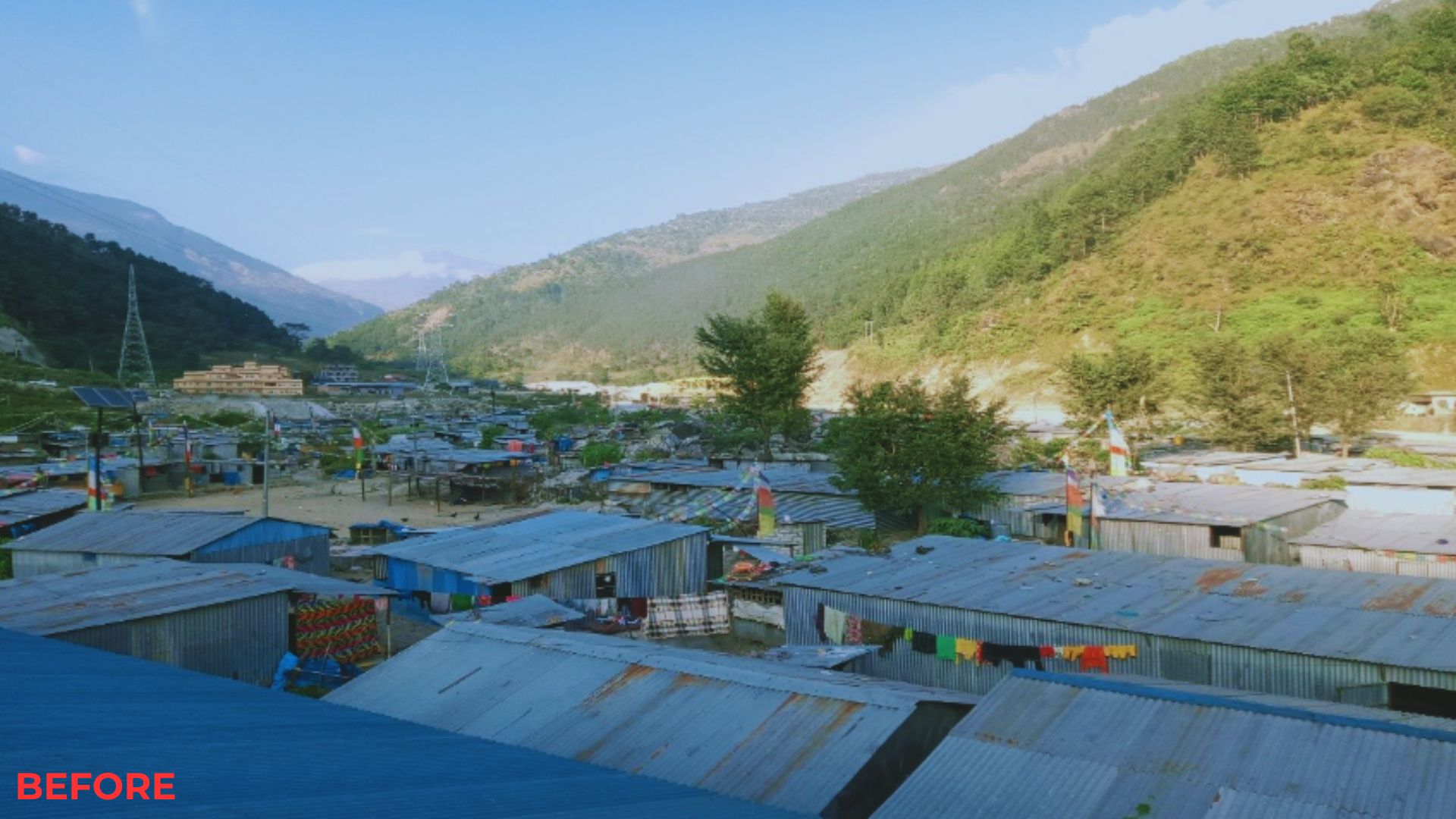
For the Nepal Internet Foundation, this was not a story about a place we had only read about. It was Uttargaya, the rural municipality in Khalte where, we had built our very first community network. Through that project we had connected roughly 200 households, around 600 people, and set up a digital hub with computers, networking equipment and solar backup. We had trained local residents, run awareness programs, and along the way, gotten to know the community - not as beneficiaries in a report, but as people whose names and phone numbers we still had saved.
So our first question when the flood hit wasn't about infrastructure. It was about the people we knew.
We started calling everyone we could reach in Khalte. Most calls went unanswered -the mobile network there was down, like so much else. Eventually one call connected. It was Januka Acharya, who had gone through our digital literacy training. She was crying. She told us there was no electricity, that roads had disappeared, and that people urgently needed basic supplies -medicine, clothes, equipment, solar chargers, anything that could help in the dark.
We told her the only thing we could:
“We will help as much as we can. We will come.”
August 28 - the road to Trishuli
We left Kathmandu at 5 a.m. two days after the flood, Friday, August 28. NIF's president, Bikram Shrestha, program director, Bikash Khatri, and electrical head, Rabindra Chaudhary, made the trip together, carrying what supplies we could gather on short notice.
The journey told us how bad things really were before we even arrived. Partway there, word came that the river was rising again, and we were told to hold at Chahera -we waited more than three hours before it was safe to move on toward Battar, where Januka's brother had agreed to receive the supplies on the family's behalf.
Near the army barracks at Trishuli, we saw what the flood had actually done. Rescue helicopters circled overhead. Thousands of people stood outside what was left of their homes -some searching through debris, some waiting for news, some simply crying. Until that moment, the disaster had been something we'd heard about over the phone. Now we were standing in it, and none of us could hold back our own tears.
At Januka's brother's house in Battar, we met her daughter. She had been at school when the flood hit and had survived, though it was clear from talking with her how much she had seen. We sat with her for a while, listened, and recorded her account -not as a formality, but because it felt important that someone did. It was one of the harder conversations of the trip.
Before we left, her uncle asked if we could take the children, including Januka's daughter back to Kathmandu, to stay with relatives where it was safer. We agreed, and spent the drive back trying, in whatever small ways we could, to comfort them. We also promised the family we'd return with a four-wheel-drive vehicle to get the remaining supplies further into the affected villages.
August 29 - what was left of Khalte
Two days later, on Saturday, we went back. This time it was Bikash, Rabindra, and our cameraman, Ankur Gurung, leaving Kathmandu at 4:30am in the morning, aiming for Uttargaya Rural Municipality Ward No. 5.
The roads we knew no longer existed. Bridges were gone, entire sections had washed out, and we had to piece together an alternate route as we went much of it barely wide enough for one vehicle. What is normally a 30-minute drive from Battar took us six or seven hours.
When we finally reached the ward office, we handed the relief supplies to the chairperson, along with solar chargers and an inverter to help restore some basic power and communication, and talked with local officials about what it might take to get connectivity working again.
Then people started recognizing us. They remembered NIF, remembered Khalte, and remembered the training sessions and the community hub we had built. When we asked what had happened to the village, to the network, to the people we knew the answers were hard to hear. Many of the people we had worked with had been swept away. Much of Khalte itself was gone.
We spent time talking with survivors and recording their stories, and more than once had to pause because we couldn't keep our composure.
Later, a local resident, Dashratha, took us to a spot overlooking what remained of Khalte the site of our first community network. We stood there trying to match the landscape in front of us to the place we remembered. Almost nothing lined up. The riverbank, the paths, the houses all of it had been rearranged or simply erased.
It was around 5:30 in the evening. Before we left, we told the people still there that NIF wasn't going to disappear from Uttargaya. We would come back. We would help rebuild what we could.
Stranded, then home
Getting back to Kathmandu turned into its own ordeal. Rain started falling, and along the alternate road, a stuck vehicle blocked the only way through. We were stranded in the forest for hours with no mobile signal unable to reach our families or the office, and unable to let anyone know we were safe. It wasn't until around 1:30 a.m. that the road cleared enough to pass, and another hour before we found signal again. The first thing every one of us did was call home.
We reached Kathmandu just after 6:30 the next morning, having survived mostly on instant noodles, tea and bread along the way. The trip was over. What we had seen was not something that ends when you get home.
Why we're going back
The Uttargaya Community Network was NIF first community Network. We built it to connect households, share information, teach digital skills, and give a remote community some of the access that geography had long denied it.
The flood took the roads, the houses, and, for some families, people we knew by name. It did not take the relationship we had built with Uttargaya over the years if anything, it reminded us what that relationship was for.
A community network was never really about the cables or the routers. It's about the people on the other end of the connection, and whether you show up for them when everything else has been washed away.
We told the people of Uttargaya we would come back, and we intend to keep that word not only to rebuild the network, but to help rebuild what connects a community to information, to each other, and to a future worth reaching for.
Our journey to Uttargaya is over. Our work there isn't.