When a Lifeline Is Swept Away: Remembering the Uttargaya Community Network After the Rasuwa Flash Flood
Nepal Internet Foundation
26 August 2026
Video Link : https://youtu.be/dVOoGPlTPEw?si=g9ihDhOzepRZcqvC
Video Link: https://youtu.be/lOARjCJUS2A?si=T5WEjAa00piJIsvx
Today is a deeply painful day for everyone at the Nepal Internet Foundation.
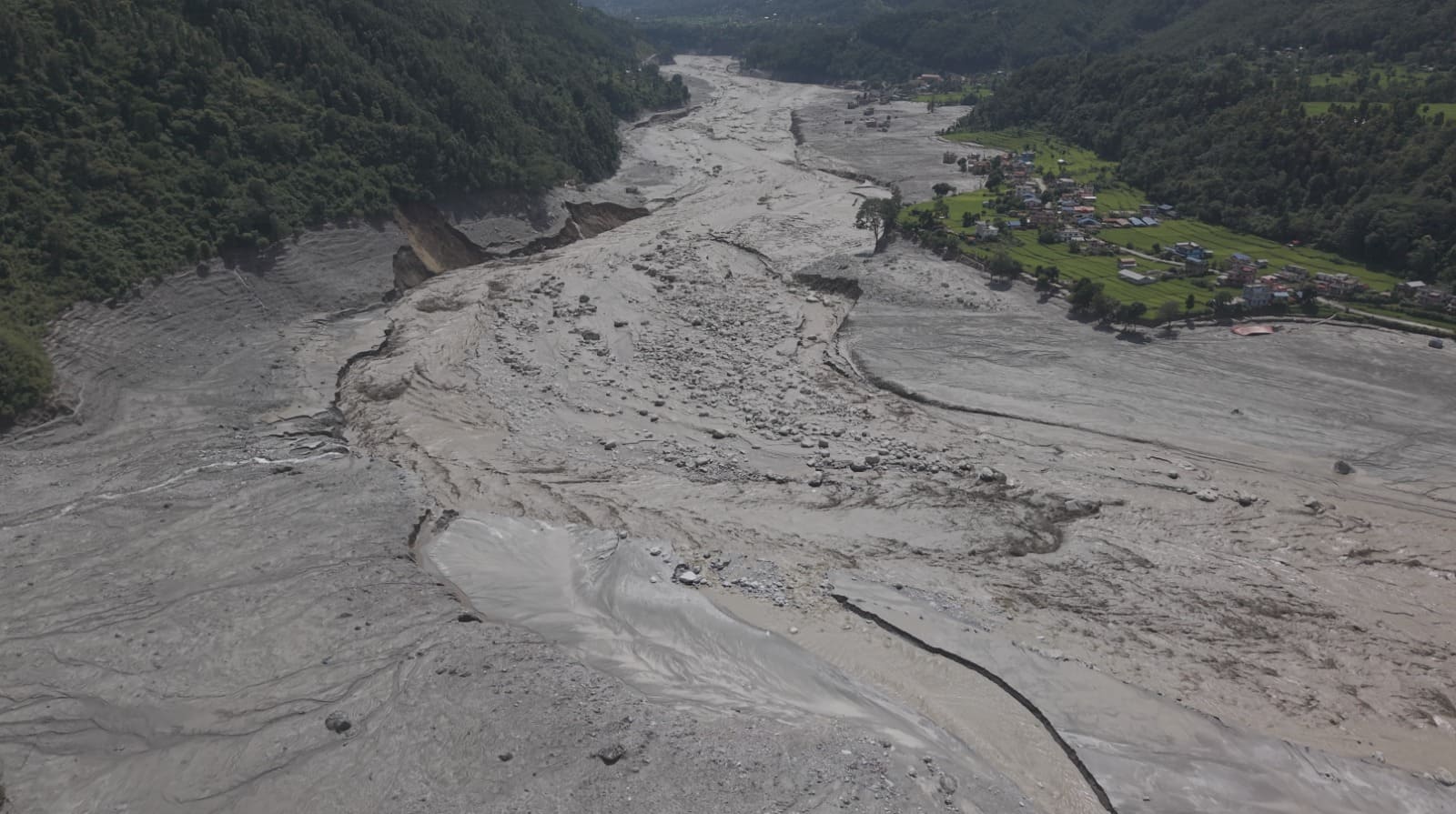
The devastating flash flood in Rasuwa and downstream communities has brought immense destruction to homes, infrastructure and livelihoods. As rescue and search operations continue, our thoughts remain with those who have lost loved ones, those still missing, the injured, displaced families and every community living through uncertainty.
On behalf of the Nepal Internet Foundation, I extend our deepest condolences to all families mourning their loved ones. We stand firmly with the people of Rasuwa, Nuwakot and every community affected by this disaster.
For NIF, this tragedy also represents a deeply personal loss.
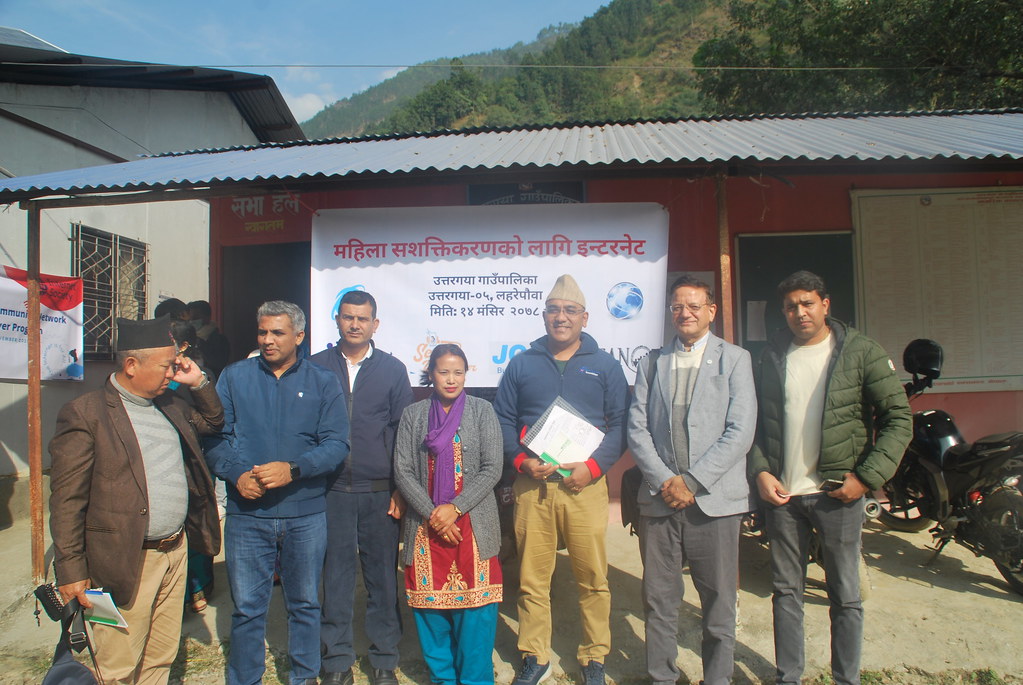
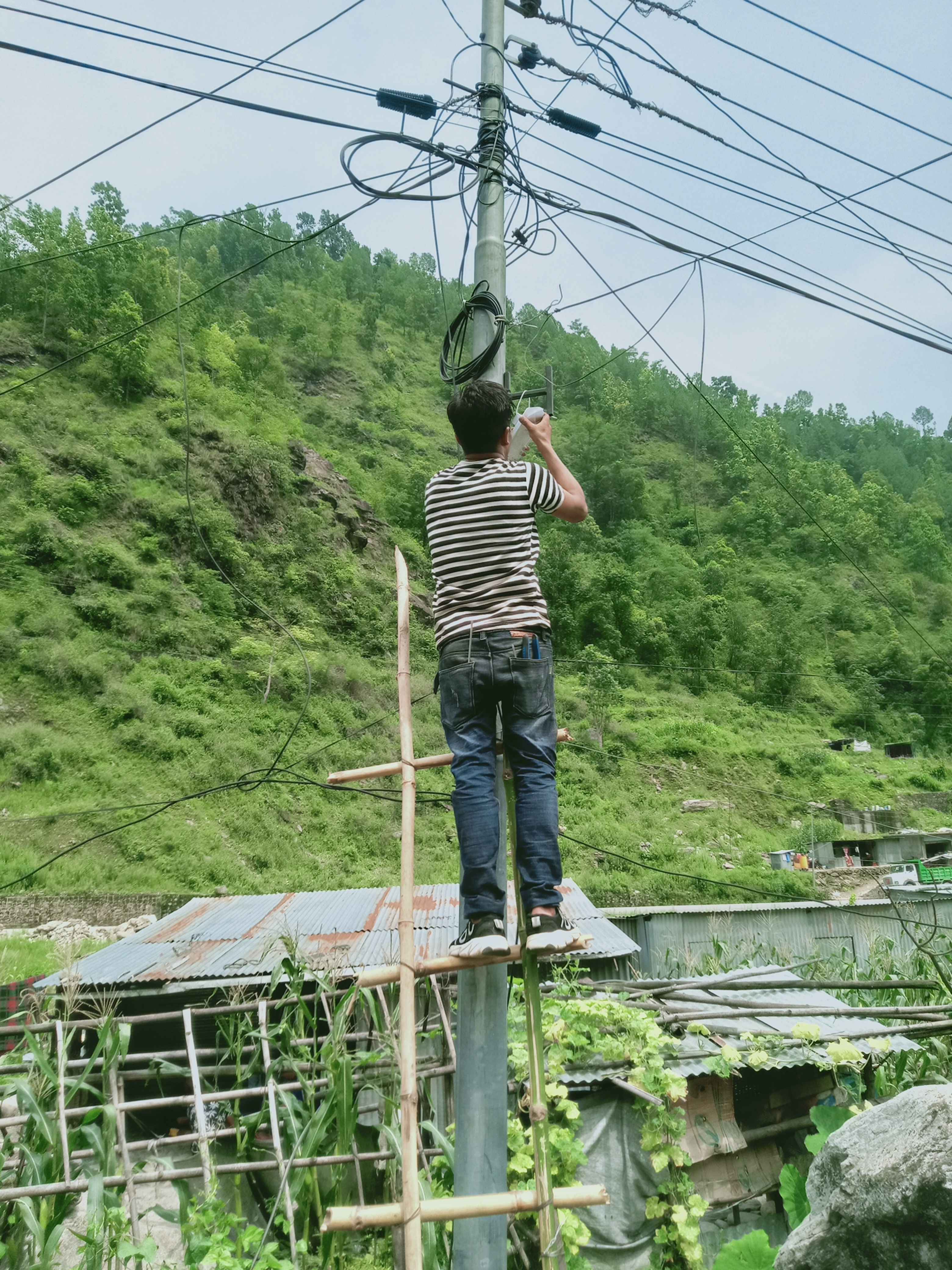
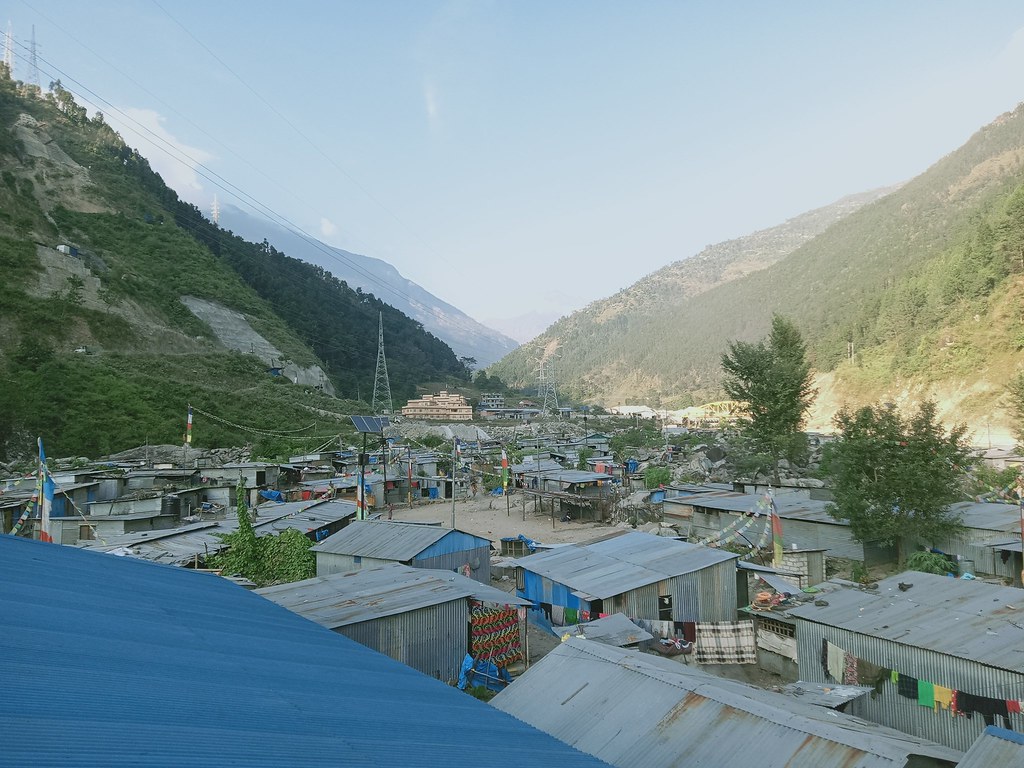
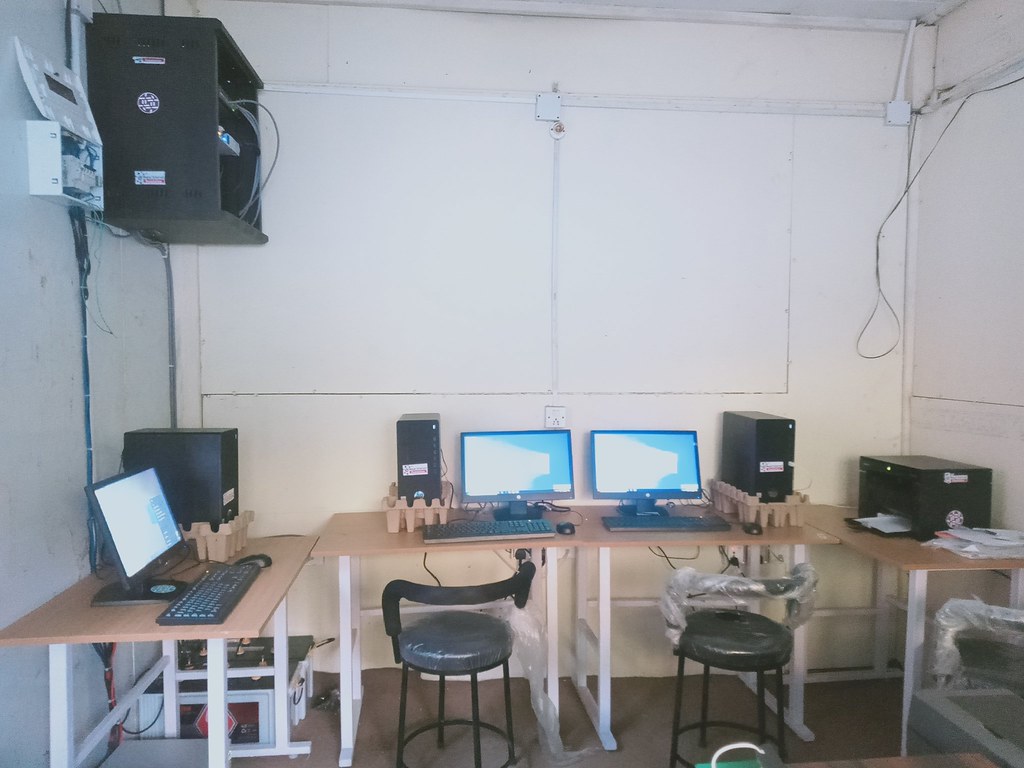
Among the infrastructure destroyed by the flood was the Uttargaya Community Network in Khalte, one of the earliest community connectivity initiatives established by the Nepal Internet Foundation with support from the Internet Society.
But what has been lost is far more than equipment, cables and infrastructure.
A Network Built for a Community That Had Already Suffered
The Uttargaya Community Network was created to support families who had already endured displacement and hardship following the devastating 2015 Gorkha earthquake.
Many families had been forced to leave their homes and rebuild their lives under extremely difficult circumstances. Access to essential infrastructure was limited, while reliable Internet connectivity remained out of reach for many.
The community network offered a different approach.
It was built with the community and for the community.
Through collaboration between local residents, the local government, the Nepal Internet Foundation and the Internet Society, connectivity was brought to people who had previously remained underserved.
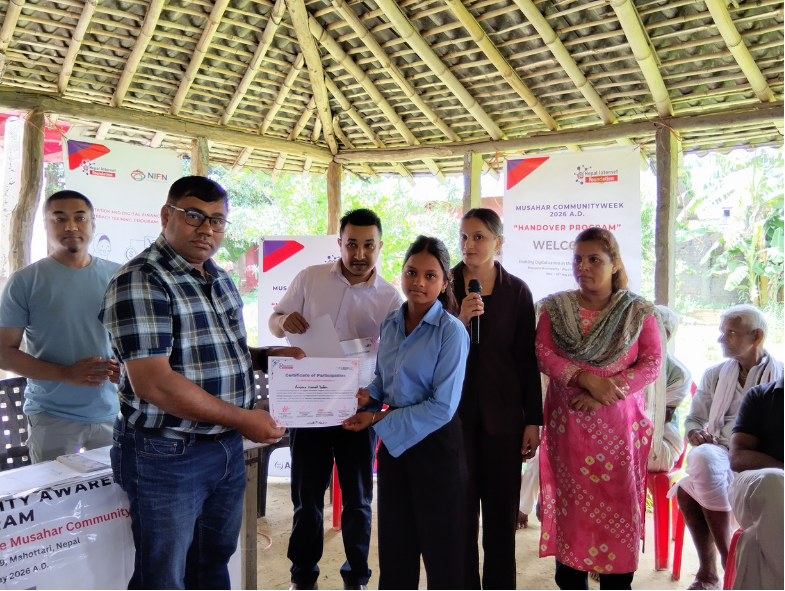
The initiative established Internet access and a community hub while strengthening local capacity to operate and maintain the network. Solar power helped address unreliable electricity, while digital literacy activities opened new opportunities for students and local women entrepreneurs.
For NIF, Uttargaya became an early example of an idea that continues to guide our work:
Connecting the unconnected is not simply about bringing a signal to a village. It is about giving people greater ability to communicate, learn, earn, respond and build resilience together.
From Earthquake Recovery to Another Disaster
There is a painful irony in what has happened.
The Uttargaya Community Network was established to help a community recover from one disaster—the 2015 earthquake. Years later, that same community is once again facing the destructive power of another major disaster.
The physical network that once symbolized recovery, opportunity and resilience has now itself been swept away.
For everyone who contributed to establishing Uttargaya, seeing the community and infrastructure we worked alongside affected once again is profoundly heartbreaking.
Yet this tragedy also reminds us why community-centred connectivity matters.
In a geographically fragile country like Nepal, connectivity should increasingly be understood as resilience infrastructure.
During floods, landslides, earthquakes and other emergencies, communication can become a lifeline. Communities need reliable access to early warnings, emergency information, local coordination, health services and communication with families and authorities.
As climate-related disasters become increasingly frequent and severe, particularly across vulnerable Himalayan communities, this need is becoming even more urgent.
We Lost Infrastructure, Not Our Commitment
Today, we mourn.
We mourn those who lost their lives.
We stand with families desperately waiting for news of missing relatives.
We recognize the immense efforts of communities, local governments, security personnel, rescue teams, volunteers and everyone working to respond to this disaster.
And we mourn the loss of one of the earliest community networks in the journey of the Nepal Internet Foundation and the Internet Society in Nepal.
But a community network is ultimately not defined by its routers, towers, computers or cables.
Its real network is its people.
Infrastructure can be rebuilt.
Equipment can be replaced.
But lives cannot.
Our immediate priority must therefore remain protecting lives, supporting affected families and helping communities recover.
When the immediate emergency has passed and communities are ready, we hope connectivity can once again become an important part of their recovery and long-term resilience.
The experience of Uttargaya should also encourage everyone working in community connectivity to think beyond normal-day access. We must design networks for the realities of climate change, disaster preparedness and emergency communication.
Future community networks must be accessible, affordable, resilient, renewable, locally maintainable and prepared for emergencies.
Today, the Uttargaya Community Network may have been physically swept away.
But the purpose behind which it was built has not disappeared.
Its spirit remains in the community that helped build it, in the lessons it has given us, and in our continued commitment to ensuring that people living in Nepal's most difficult and vulnerable places are never forgotten in our digital future.
On behalf of everyone at the Nepal Internet Foundation, I extend our deepest sympathy and solidarity to all those affected by this devastating disaster.
Our hearts are with Rasuwa.
Nepal Internet Foundation - Connecting the Unconnected. Building Resilient Communities.